
What counts as a UGC-style ad
User-generated content (UGC) in ads means content that looks made by a customer rather than a brand: shot on a phone, in a real room, often with a first-person caption. Real UGC comes from customers or from creators you pay. UGC-style is the look without the person, a phone-camera photo of the product in a hand, made by the brand, by a designer or with AI.
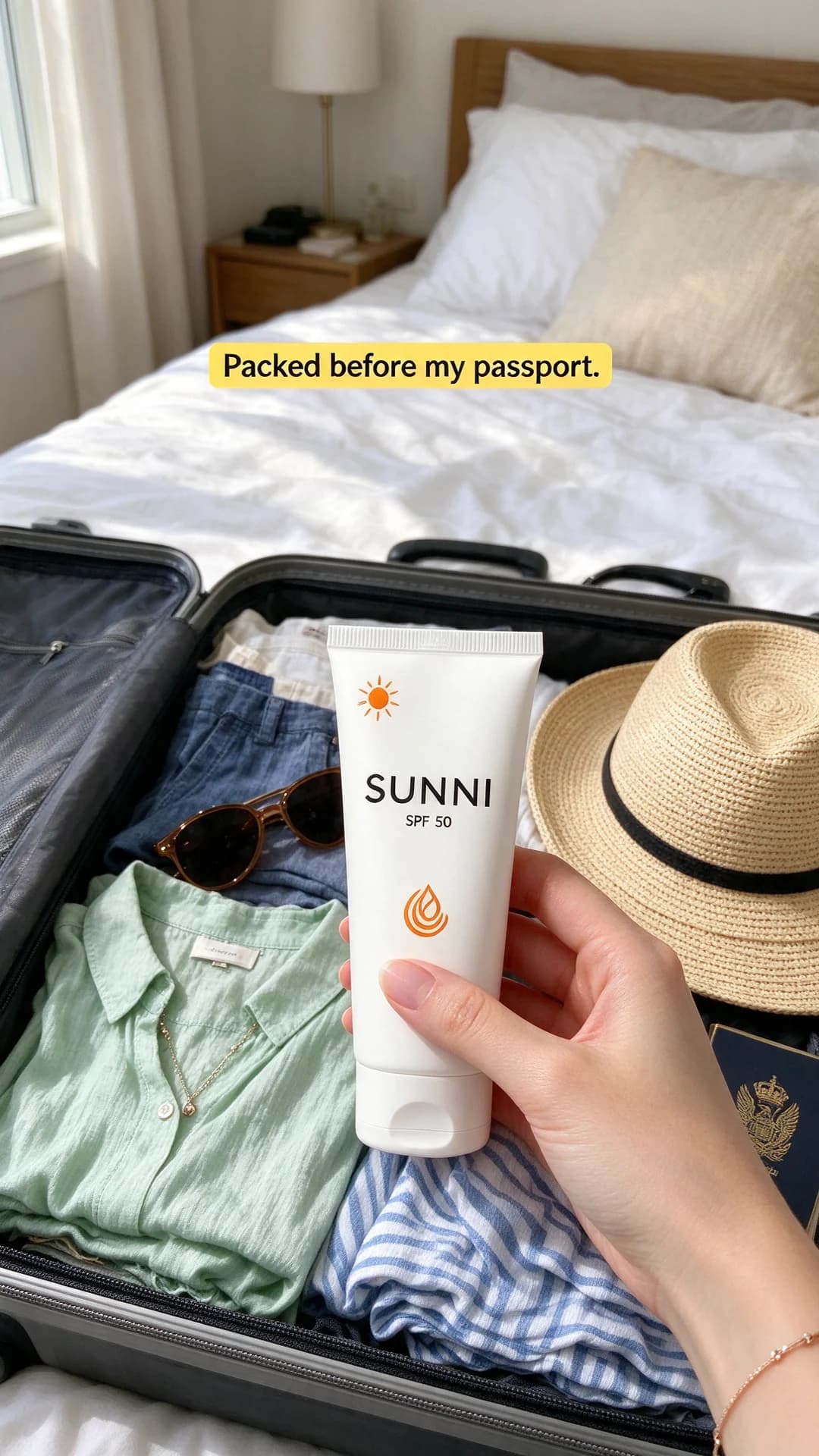
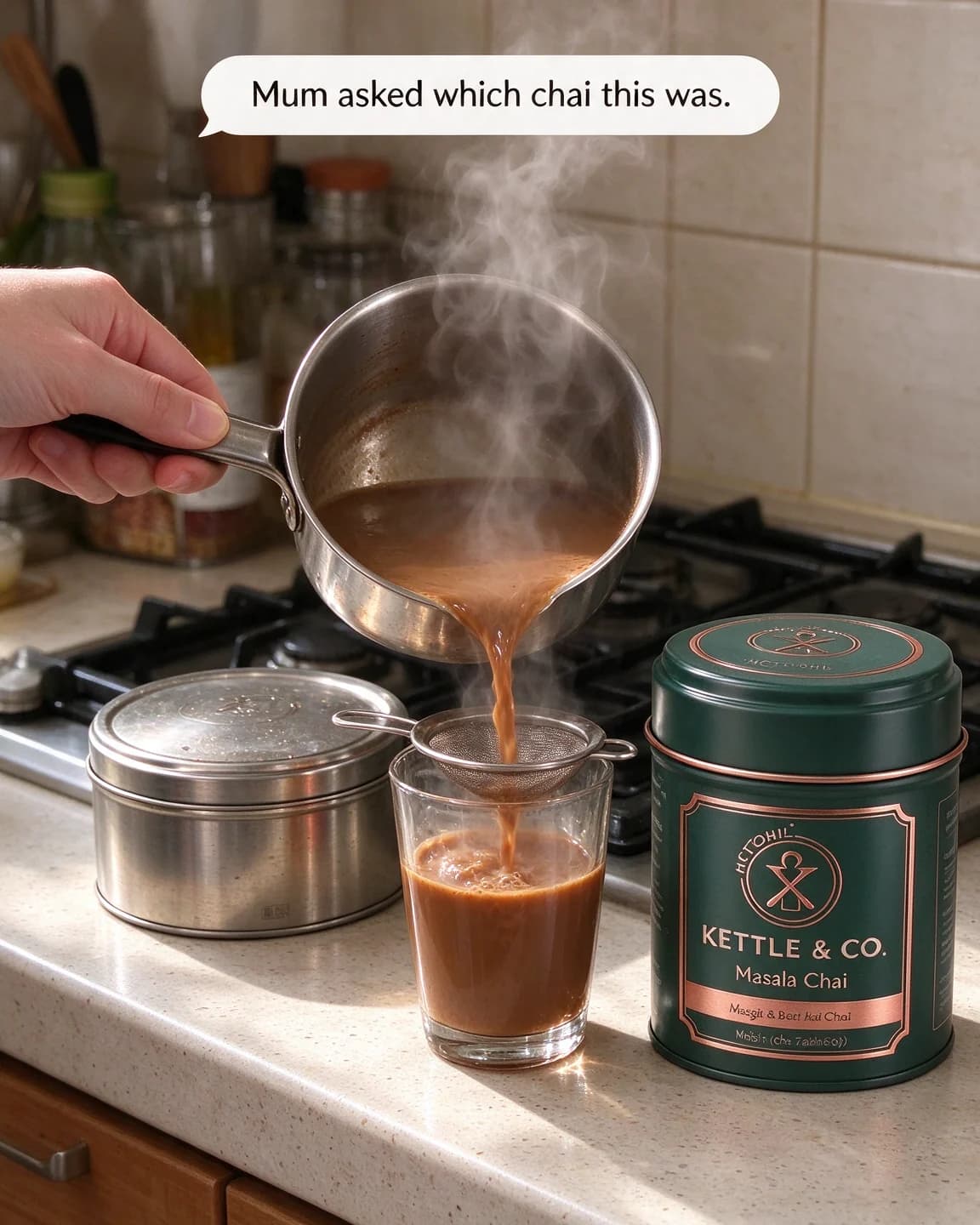
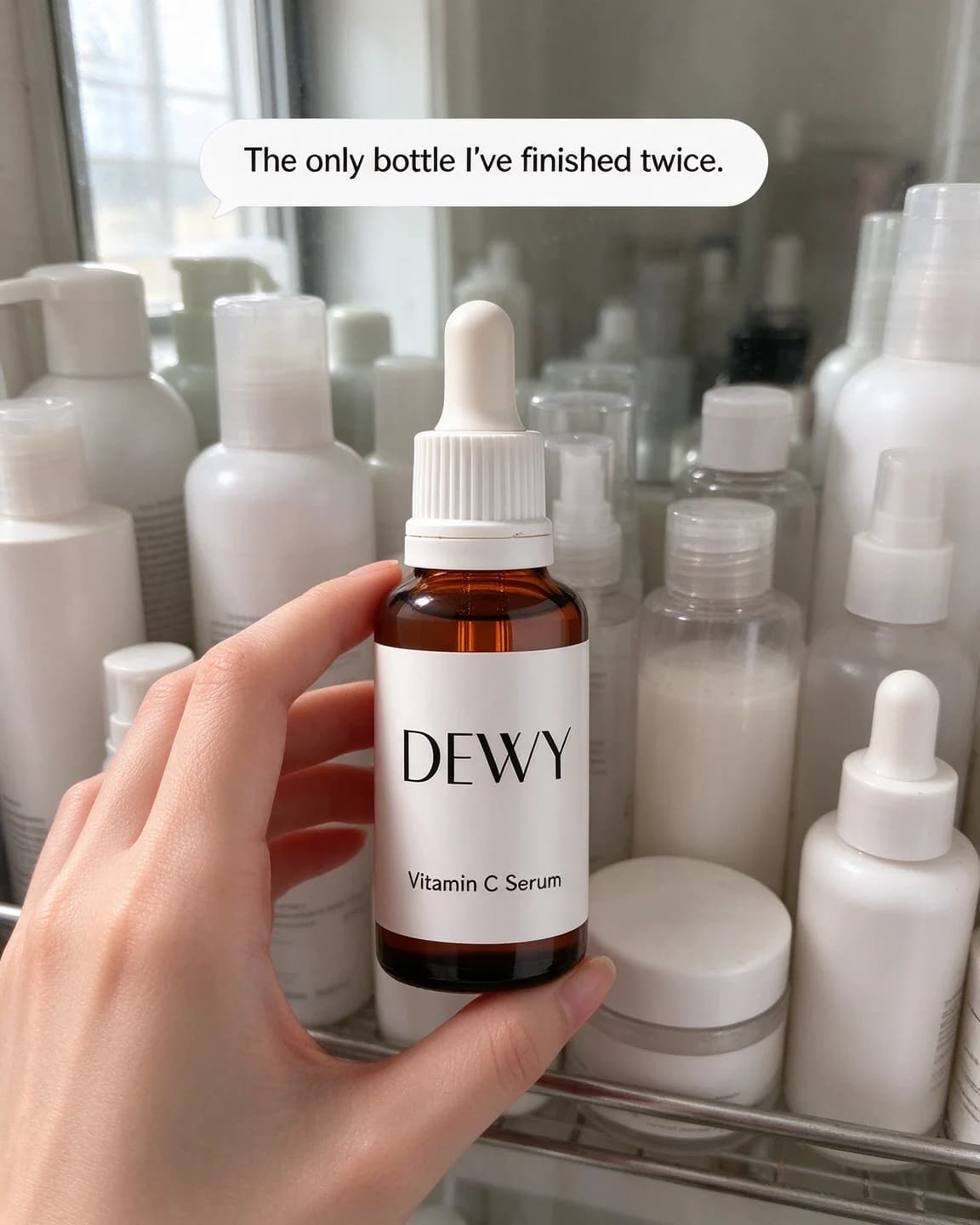
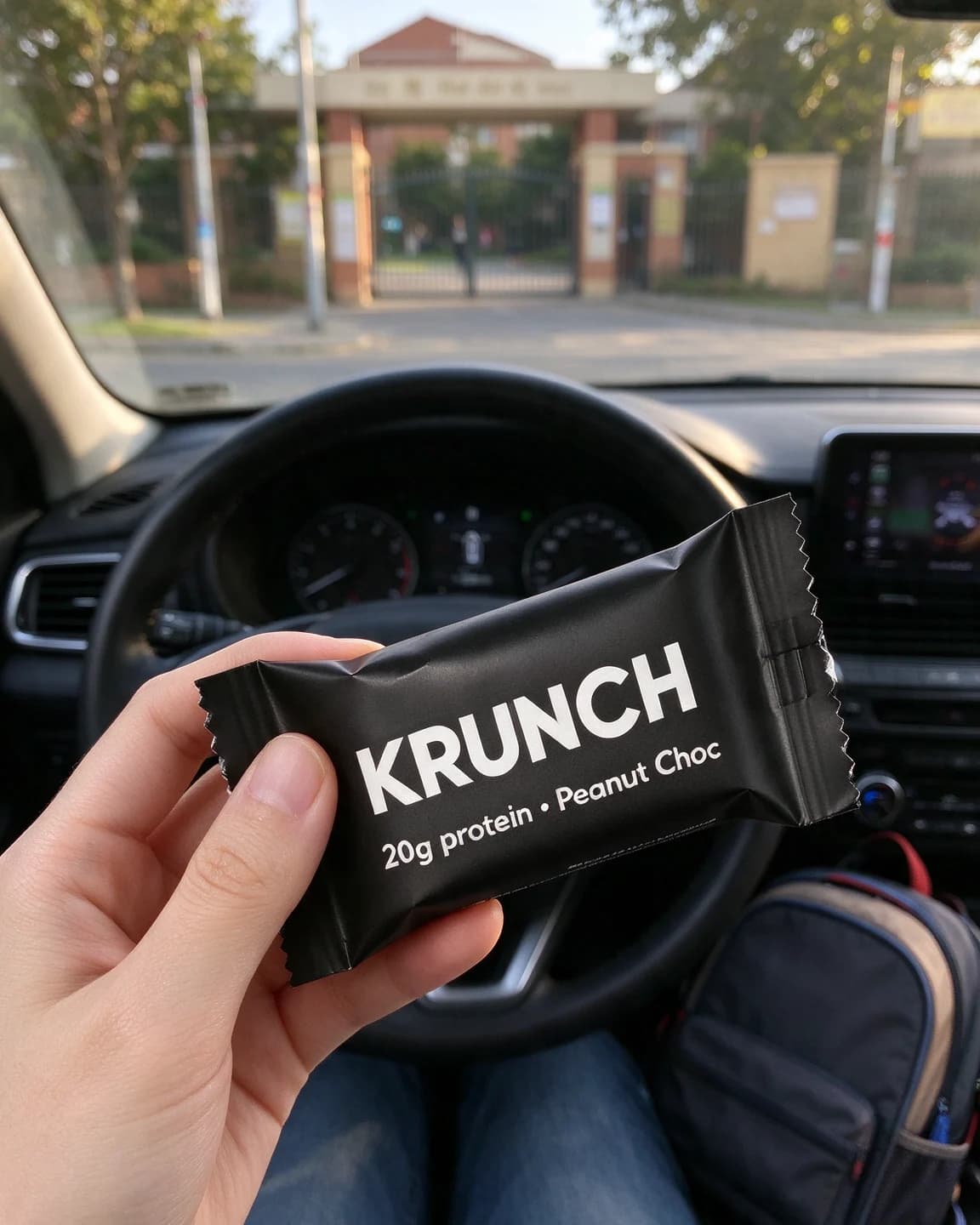
All eight examples above are UGC-style, made with AI from each fictional brand's product photo. That makes them useful for testing which moments and captions work for a product, but it brings a responsibility the next section covers. The glossary entries for UGC ads and AI UGC define both terms.
Where the style stops being honest
A phone-style image of a hand holding a protein bar is an ad. The same image with a star rating, a customer's first name and a 'verified buyer' label is a fake review. The line is whether the ad claims that a real customer made it or said it.
That line has legal weight in some markets. The US Federal Trade Commission announced its final rule on consumer reviews and testimonials on August 14, 2024, and it took effect on October 21, 2024. It bans fake reviews and testimonials, including ones that pretend to come from someone who doesn't exist or who never used the product, and the FTC's announcement names AI-generated fake reviews as an example.
The FTC's questions-and-answers page on the rule (dated November 2024, checked in October 2026) adds a useful nuance. It says the rule has no blanket ban on AI-generated avatars in marketing, but that an avatar's message might count as a testimonial, which the rule prohibits if the underlying testimonial is fake or false. So the look is not the problem. Putting words in an invented customer's mouth is. Other countries have their own rules, so check where you sell. None of this is legal advice.
In practice:
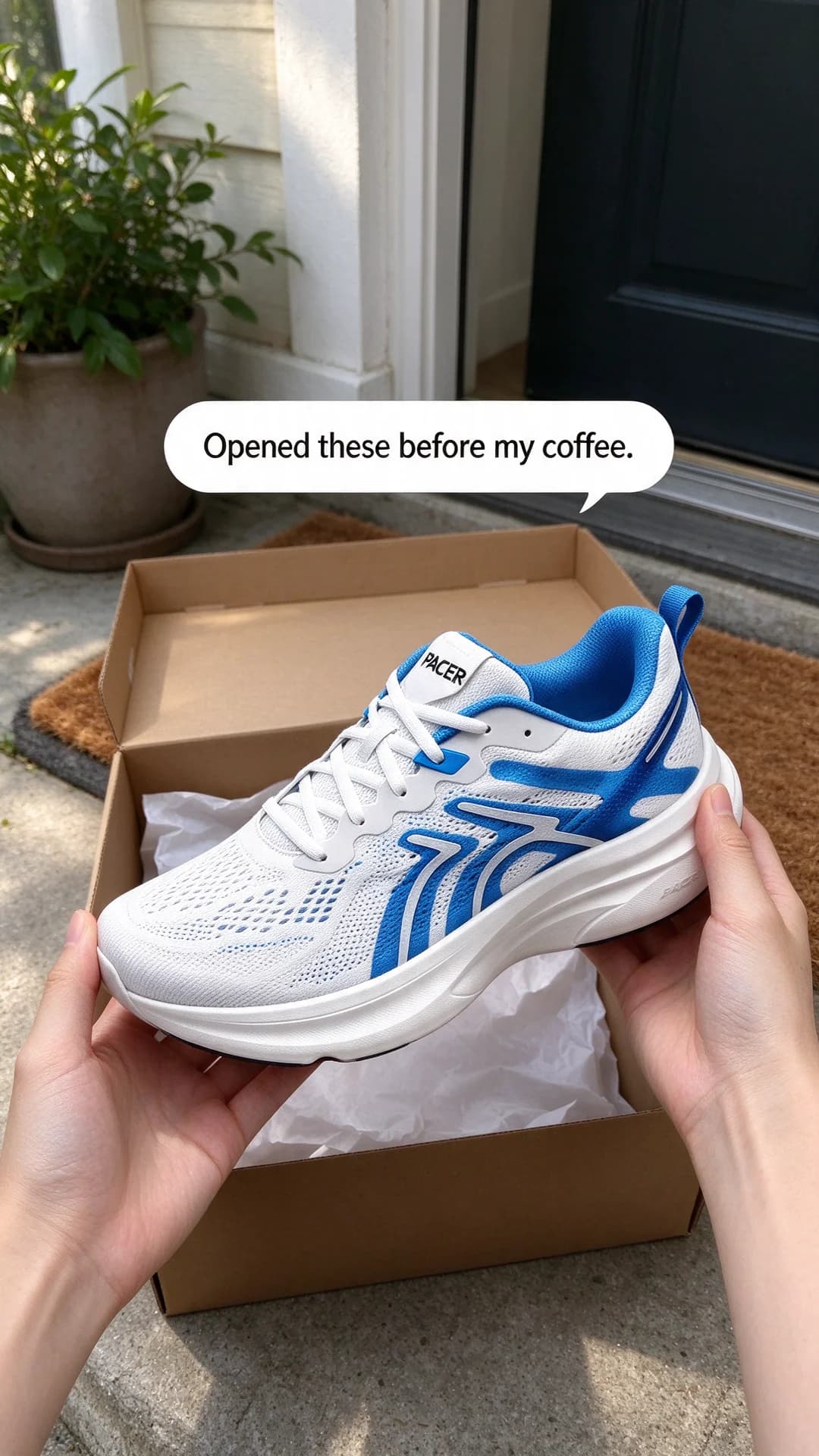
- Scene captions in the brand's voice are fine. "Opened these before my coffee" on an AI image, posted by the brand's own account, reads as a scene. It is safest when the line echoes what real customers say.
- Names, ratings and 'verified' labels are not, unless they come from a real review you have permission to use.
- Verdicts need a real source. A caption such as "best serum I've ever used" reads as a customer's judgement. Use it only if a customer said it.
- Real reviews go in as real reviews. In BulkAds, add genuine customer quotes to your brand kit as proof points, and the copy draws only on those.
What makes it read as real
Phone-shot UGC has a grammar, and an AI image only passes when it follows it.
- Hand-held angles. Taken from where a person stands or sits, slightly off-centre, never perfectly level.
- Real places, with clutter. A car interior, a counter with a steel pan, a shelf of plain unbranded bottles.
- Available light. Window light, a bedside lamp, the blue before sunrise. Studio light gives the game away at once.
- Hands, not faces. A hand holding the product is the natural framing when someone photographs an object on their phone, and it keeps AI images from inventing a person who looks real.
- Native caption styles. A white speech bubble, a highlighted text box, a comment sticker, two to seven words in the first person.
- The label still faces the camera. Casual framing, sharp brand name.
The UGC-style ad prompts page shows prompts that produce these details, and the lo-fi creative entry explains where the rougher look comes from and when it suits a brand.
Picking a sub-format
| Sub-format | Use it when | In the swipe file |
|---|---|---|
| Unboxing | The packaging or first impression is part of the appeal | Pacer |
| Comment reply | The same question keeps coming up | Soniq |
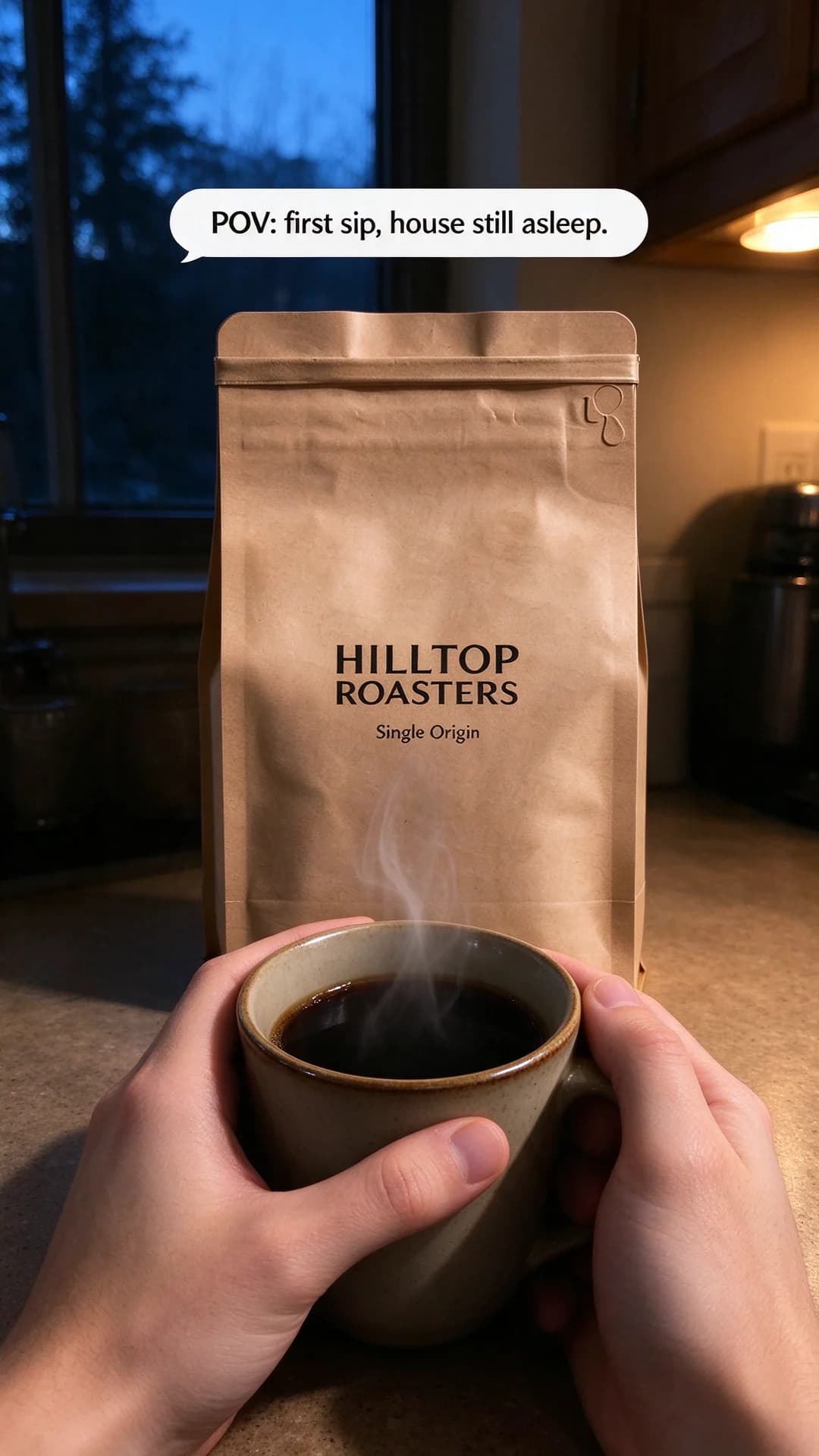
| POV | The product belongs to a quiet daily moment | Hilltop Roasters |
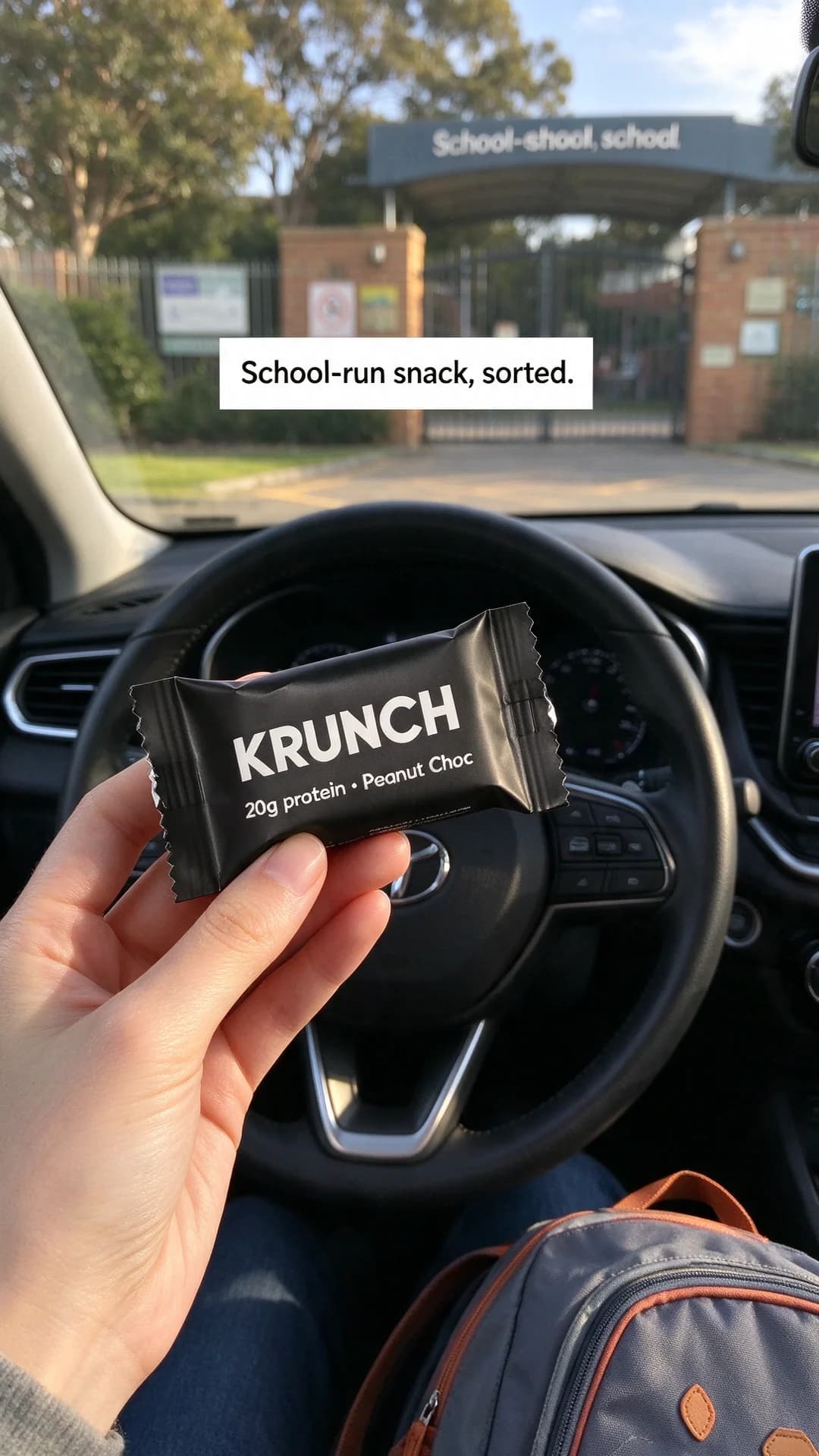
| Moment of use | The product solves a small, specific situation | Krunch |
| Packing shot | The product travels with people | Sunni |
| Shelfie and repurchase | People buy it again and again | Dewy |
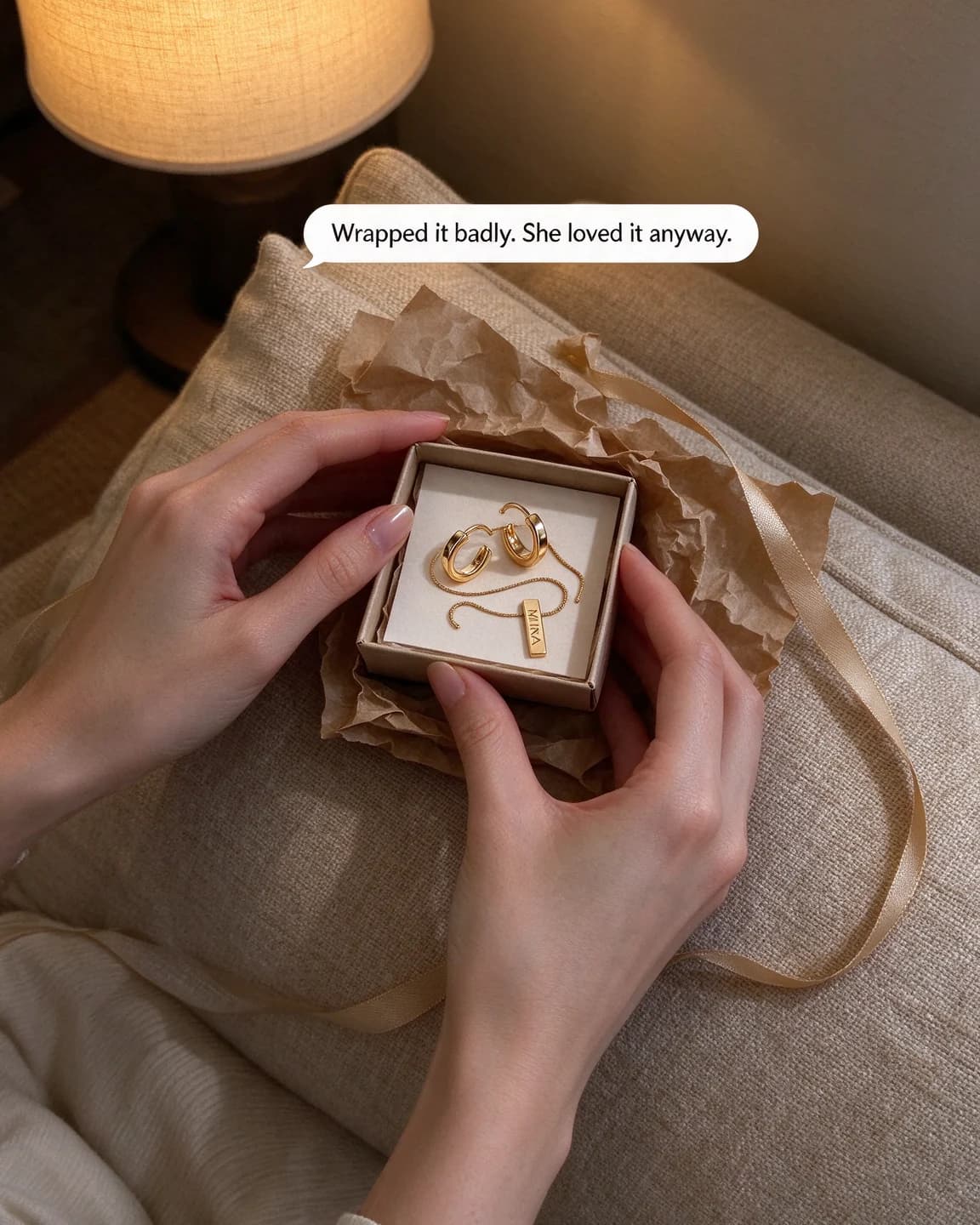
| Gift and approval | Someone else's reaction sells it | Mira, Kettle & Co. |
Most products suit three or four of these. A snack bar has moments of use, packing and approval, while headphones have comment replies, POV and unboxing. Start with the sub-formats that match how your customers already talk about the product in reviews and comments.
A worked example: filling the gaps between creator videos
Say a snack brand pays a creator $62 for each talking video and can afford three a month, $186 in all. That is three angles a month, each one a sizeable bet on a single idea.
One way to use both kinds of content: test the moments as UGC-style images first. School run, desk drawer, gym bag, long drive, after-school hunger, late-night study. In BulkAds an image ad uses 2 credits, so a batch of twelve uses 24, and the Creator plan at $49 a month includes 250 credits. Run the twelve as one test and read the results on purchases. The two or three moments that sell become the brief for next month's creator videos, so the $186 goes on ideas that have already earned a place. The guide on cost per ad creative compares production costs in more detail.
How BulkAds makes UGC-style ads
BulkAds builds every ad from your real product photo, so in a UGC-style batch the bar in the car or the bottle on the shelf is your actual pack, with its own label, rather than a lookalike. Write the moments you want in the batch instructions, for example "school run, parked car, hand-held, first-person caption", and the batch of up to 12 follows them, with a different angle in each ad. UGC-style is also one of the angles a batch can include on its own, so phone-shot and studio-style ads can be made and tested side by side.
A pre-flight check compares the product in each ad with your original photo and checks that every word on the image is there and spelled exactly, which matters because a misspelt speech bubble ruins the illusion straight away. The headline, primary text and description for each ad are written to match its angle, in your brand voice, using only the proof points in your brand kit. The UGC ad template shows the layout live, and you can edit it.
Short video works the same way as the stills: BulkAds adds gentle motion to a product scene, such as steam rising from the mug or a slow push in on the shoe in its box. It doesn't make talking creator videos or AI presenters, and its uploads take still images only. If you have real creator videos, run them from Meta Ads Manager next to the BulkAds images and compare both on purchases.
Everything launches paused through the bulk ad launcher, and creative analytics can group results by angle, so you can see whether UGC-style shots beat studio shots for your own products instead of taking anyone's word for it.
When to hire a creator instead
- When the product needs explaining out loud, like a gadget that has to be set up or a texture that has to be described.
- When a face and a personality are the point, as with a founder or a well-known creator.
- When you want real testimonials, which by definition need real customers.
The guide to AI UGC ads covers how to split the work between AI-made images and paid creators, and the free UGC script generator writes briefs for the videos you do commission.
Questions people ask
What is a UGC ad?
An ad that looks made by a customer rather than a brand: shot on a phone, in a real setting, often with a first-person caption. Real UGC comes from customers or paid creators. UGC-style ads copy the look and are made by the brand.
Can AI make UGC ads?
AI can make UGC-style images, such as a hand holding your product in a real-looking kitchen, and short motion versions of them. BulkAds does this from your real product photo. It doesn't make talking creator videos, and AI images shouldn't be presented as real customers.
Is it legal to use AI-made UGC in ads?
Using a phone-shot look is an ordinary creative choice. Presenting an invented person as a real customer is different. In the US, the FTC's rule on reviews and testimonials, in force since October 21, 2024, bans fake testimonials, including AI-generated ones. The FTC's Q&A on the rule says there's no blanket ban on AI avatars, but a fake or false testimonial delivered by one is still prohibited. Check the rules where you sell. This isn't legal advice.
Do UGC-style ads beat studio ads?
Sometimes, not always. It depends on the product and the moment. Put both styles in the same batch and compare them on purchases. BulkAds' creative analytics groups results by angle, so you can see which look sells for your products.
What should a UGC caption say?
One first-person line of two to seven words about a moment, not a feature: 'Opened these before my coffee' or 'School-run snack, sorted.' Leave features and offers for the primary text.
Are these real brands?
No. Pacer, Krunch, Soniq, Mira and the other brands on this page are fictional, and every image was made with AI for illustration.
Keep going
- Free tools
UGC script generator
A timed 15 to 30 second script with lines, shots and captions
- Guides
AI UGC ads: what they are, where they work and where the line is
The three kinds of AI UGC, the jobs each one does well, what AI can't fake, the published rules on made-up people in ads, a brief format and a checklist before launch.
- Ad templates
UGC ad template
A phone-camera moment and one honest, first-person line
- Ad templates
Comment reply ad template
A real question pinned to the frame, answered by the ad itself
- Ad templates
POV ad template
The camera where the viewer's eyes would be, the product mid-use
- Prompt library
UGC-style ad prompts
Four UGC-style AI image prompts with their outputs: phone framing, flash, clutter and captions, plus where the honesty line sits for AI photos of customers.
Every brand on this page is fictional and every ad was made with AI for illustration — they’re examples, not case studies.
BulkAds AI is an independent product and is not affiliated with, endorsed or sponsored by Meta Platforms, Inc. Facebook and Instagram are trademarks of Meta Platforms, Inc.