Why offer ads work
An offer ad gives people a reason to act now rather than later. Most people who see your ads are interested but not yet buying: they like the product, and they'll get round to it. A clear deal turns "someday" into "today" by changing the maths of the decision — the same product, for less, for a limited time.
It also simplifies the choice. An ad with a big "20% off" doesn't ask the viewer to understand a new product. It asks one question: is this worth it at this price? For restockable products and warm audiences, that's often the only question left.
The catch is that offers are easy to copy and easy to overuse. Any competitor can match a discount, and a brand that's always on sale teaches customers to wait. The best offer ads treat the deal as a well-timed nudge, not the whole personality of the brand.
Choosing the offer
The offer matters more than the design. The common types, and where each fits:
| Offer | Works well for | Watch out for |
|---|---|---|
| Percentage off ("20% off") | Lower-priced products | Small percentages look stingy |
| Amount off ("$2.05 off") | Higher-priced products | Needs a clear minimum order |
| Multi-buy ("3 for 2") | Consumables people restock | Delivery costs on bigger orders |
| Free delivery | Heavy items and multipacks | Only persuasive if delivery usually costs |
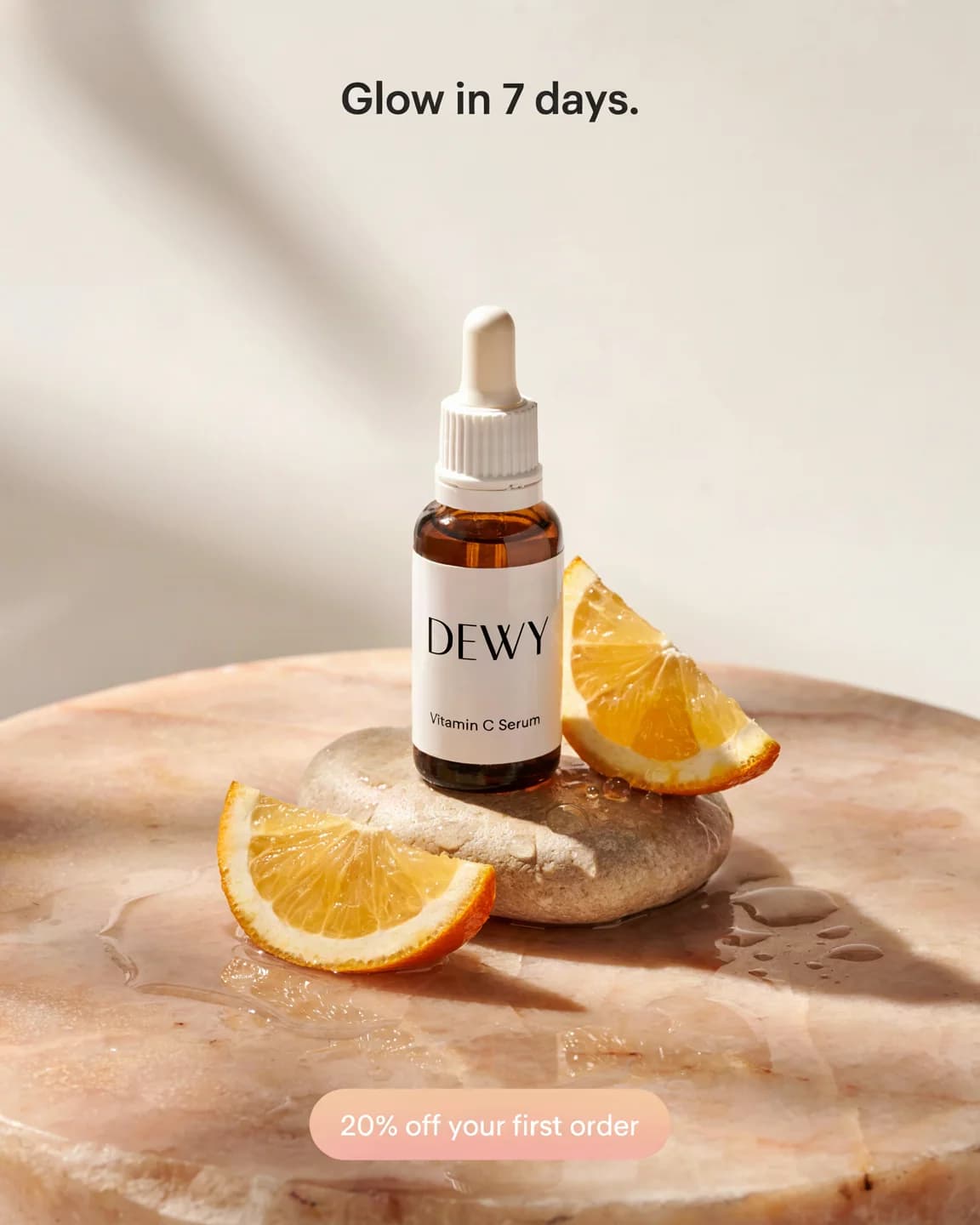
| First order ("20% off your first") | New customers, trial products | Existing customers asking for the same |
| Bundle | Products used together | Too many choices in one ad |
A common rule of thumb: on cheaper products a percentage sounds bigger, and on expensive ones an amount does. On a $1.05 item, "20% off" beats "$0.20 off", on a $103 item, "$21 off" beats "20% off".
How to make one, step by step
- Pick one offer. "20% off plus free delivery plus a gift" reads as noise. Choose the strongest and save the rest for another ad.
- Put the deal in the badge. Three words or fewer, large enough to read at thumbnail size.
- Write a headline about what the deal gets them. "Your summer fridge, stocked for less" sells the outcome, "Huge sale!" sells nothing.
- State the condition clearly. Code, what it applies to, when it ends. People forgive conditions, but they don't forgive surprises at checkout.
- Show the product. An offer on an unclear product is an offer on nothing.
- Make the button repeat the promise. "Shop the deal" or "Claim 20% off" — a call to action that matches the badge.
- Check the landing page. The offer should be visible, and working, the moment people arrive.
Ten variations for one test
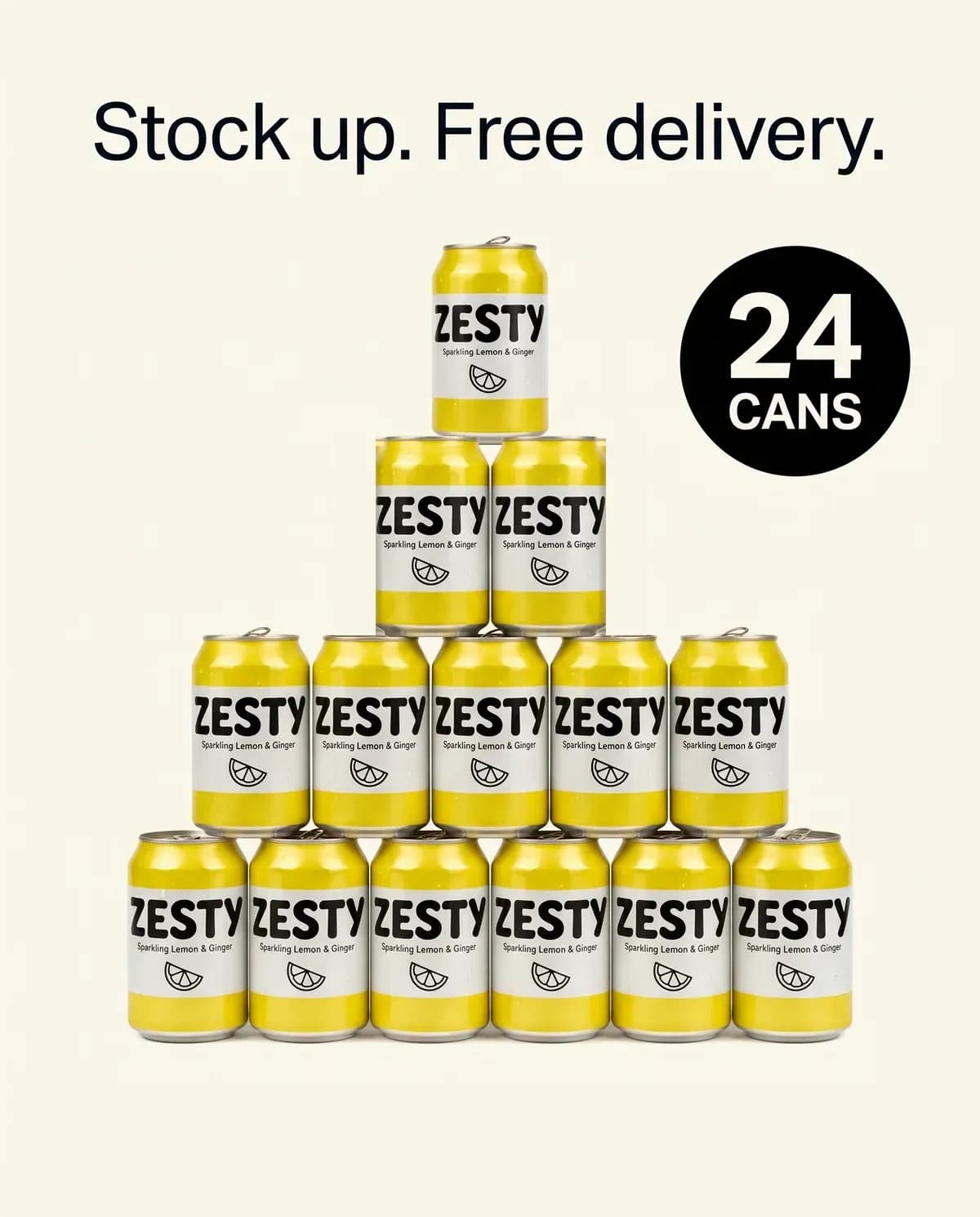
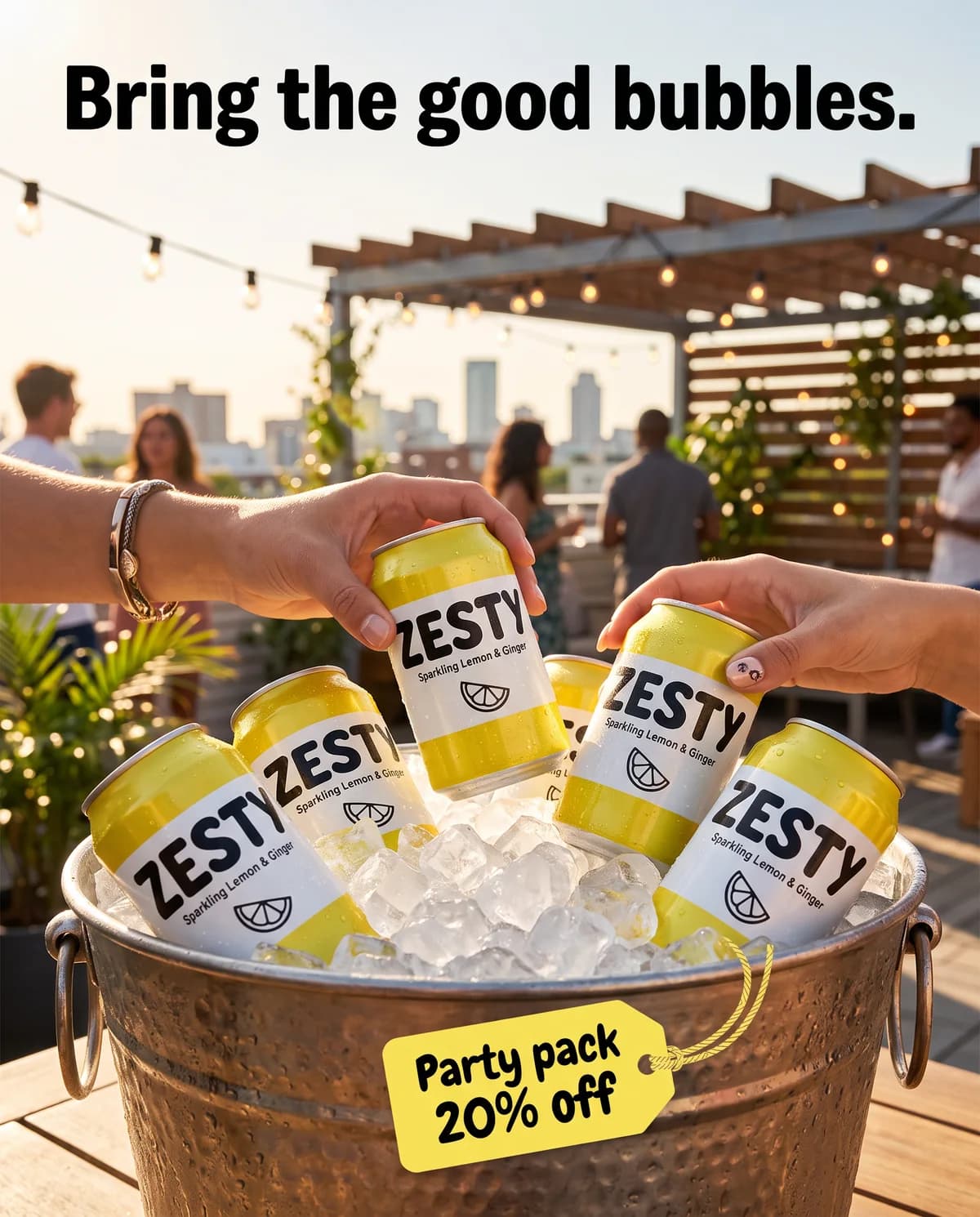
With offers you can vary the deal itself, the framing and the visual. A spread for the Zesty example:
- 20% off 24-packs
- Buy 2 packs, get 1 free
- Free delivery on 24-packs
- First order: 20% off with a code
- A party-pack bundle
- The winning deal framed as an amount saved
- The same deal framed as a moment ("Your summer fridge, stocked")
- The same, with the real end date made prominent
- The same as a 9:16 Story, badge moved clear of the top of the screen
- The same as a UGC-style photo with an offer sticker
The first five test which deal your customers value, the next five test how to say it. The ad variation calculator shows how quickly deals × framings × formats multiply, and the hook bank has fill-in-the-blank openers you can adapt to a deal.
How to test offer ads
Run the offer variations in one ad set, one ad per creative, and give each enough spend to reach a verdict. The creative test calculator works out roughly how much from your target cost per purchase.
Then judge offers on profit, not just cost per purchase. A discount shrinks your margin, so the "winning" ad can quietly lose money:
So work out a separate break-even cost per purchase for discounted orders, and compare offer ads with full-price ads on what each actually earns. If you use BulkAds' Autopilot, which judges ads against the target cost per purchase you set, remember that a discounted ad needs a lower target than a full-price one to earn the same profit.
Common mistakes
- The discount is the only message. Say what the product is, too. A deal on something unfamiliar rarely sells on its own.
- Hidden conditions. If the offer only applies to 24-packs or first orders, say so where people can read it.
- Several offers in one ad. One deal per ad. Put the others in their own ads so the test can tell them apart.
- Forgetting to switch it off. An ad promising a deal that has ended is a complaint waiting to happen. Set an end date, or pause it the day the offer ends.
- Judging on cost per purchase alone. Offer ads and full-price ads earn different amounts per order, so compare them on profit.
Urgency, honesty and the rules
Deadlines work because they're real. "Ends Sunday" moves people only if Sunday means something. A countdown that resets on every visit, or a "last chance" sale that runs all year, is false urgency. Customers notice, and so do regulators: India's 2023 guidelines on dark patterns name false urgency specifically, and consumer authorities in other markets take a similar view of fake deadlines and inflated "was" prices.
Keep it simple. Run the offer you advertise, end it when you say you will, and show the real previous price. Meta's policies prohibit misleading claims too, and an ad whose landing page doesn't honour the offer is exactly the kind of thing that gets reported. Use real prices and real dates in every version you test.
Questions people ask
What is an offer ad?
An offer ad leads with a deal — a discount, a multi-buy, free delivery — and makes that deal the main message, with the product and the conditions shown clearly.
What's the best offer for Facebook ads?
There's no single best offer. It depends on your price and how often people buy. Test a few types — percentage off, multi-buy, free delivery — and compare them on profit after the discount, not just cost per purchase.
Should I put the discount code in the image?
Yes, if it's short. A visible code helps people remember it at checkout. Keep it smaller than the deal itself and repeat it in the primary text.
How long should a sale ad run?
Exactly as long as the offer genuinely runs. Build the ads with the real end date, pause them when the offer ends, and don't quietly extend a “last chance” sale.
Do offer ads hurt a brand?
Constant discounting can train customers to wait for a sale. Use offers for moments — launches, festivals, restocks — and keep full-price ads running alongside them.
Keep going
- Free tools
Creative test calculator
How many new ads you can test, and how long until every one has a verdict
- Ad templates
Bold claim ad template
One provable fact in giant type, on one flat colour
- Ad templates
UGC ad template
A phone-camera moment and one honest, first-person line
- Ad templates
Listicle ad template
A numbered headline and three to five reasons, strongest first
- Ad examples
Food & snack ad examples
Protein snack ads that sell taste without health-claim trouble
- Hook bank
The hook bank
Fill-in-the-blank opening lines, sorted by what they do.
Every brand, person and review in these mock-ups is fictional. In your own ads, use only real reviews, real numbers and claims you can back up.
BulkAds AI is an independent product and is not affiliated with, endorsed or sponsored by Meta Platforms, Inc. Facebook and Instagram are trademarks of Meta Platforms, Inc.