
What a book ad has to do
A blurb is written for someone who has already picked the book up in a shop and turned it over. An ad meets a reader who wasn't looking for a book at all, mid-scroll, with a thumb already moving. That's why a blurb pasted onto an image rarely works. The ad has to pick one reason to stop, put it in a few words on the picture, and leave the rest to the product page.
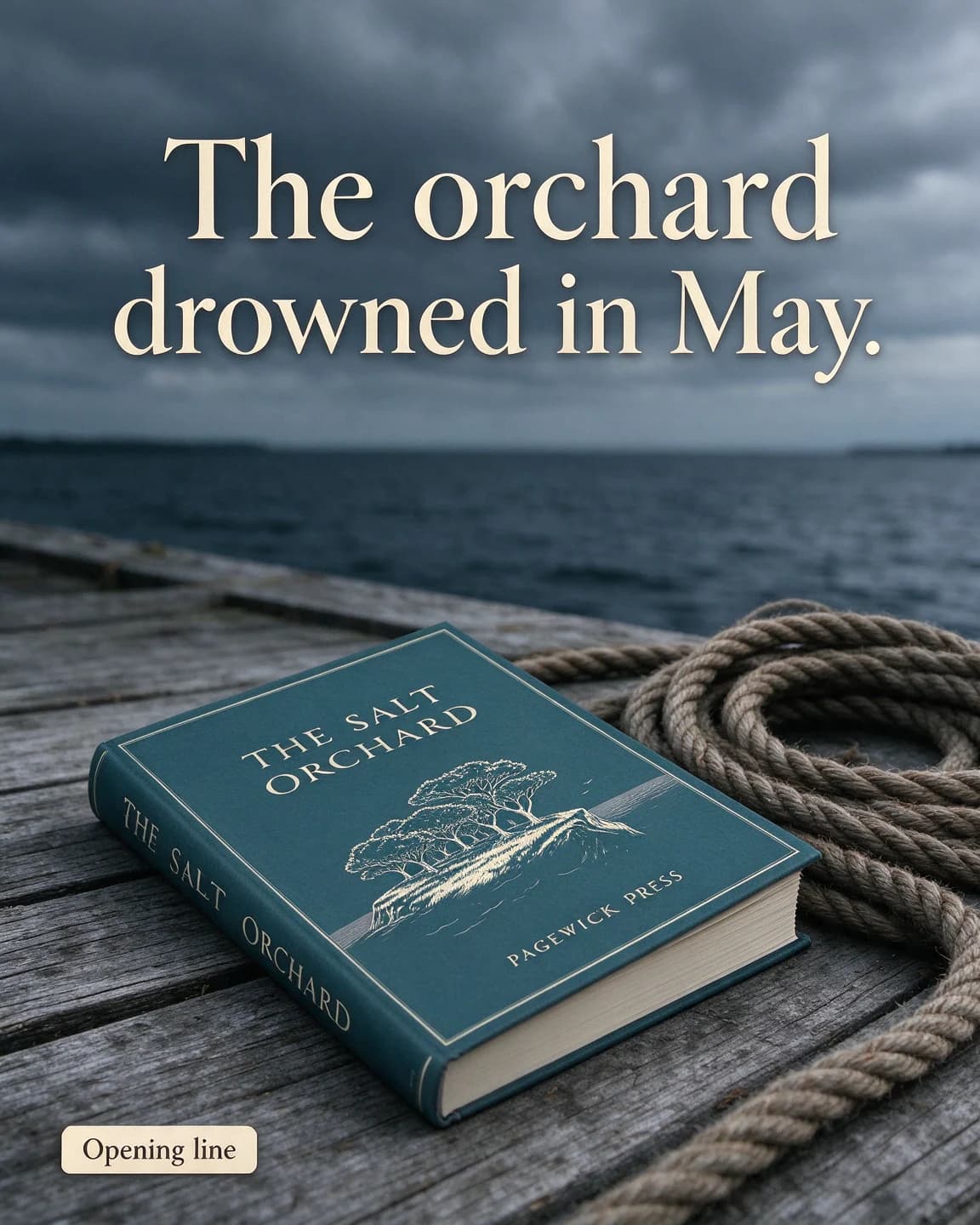
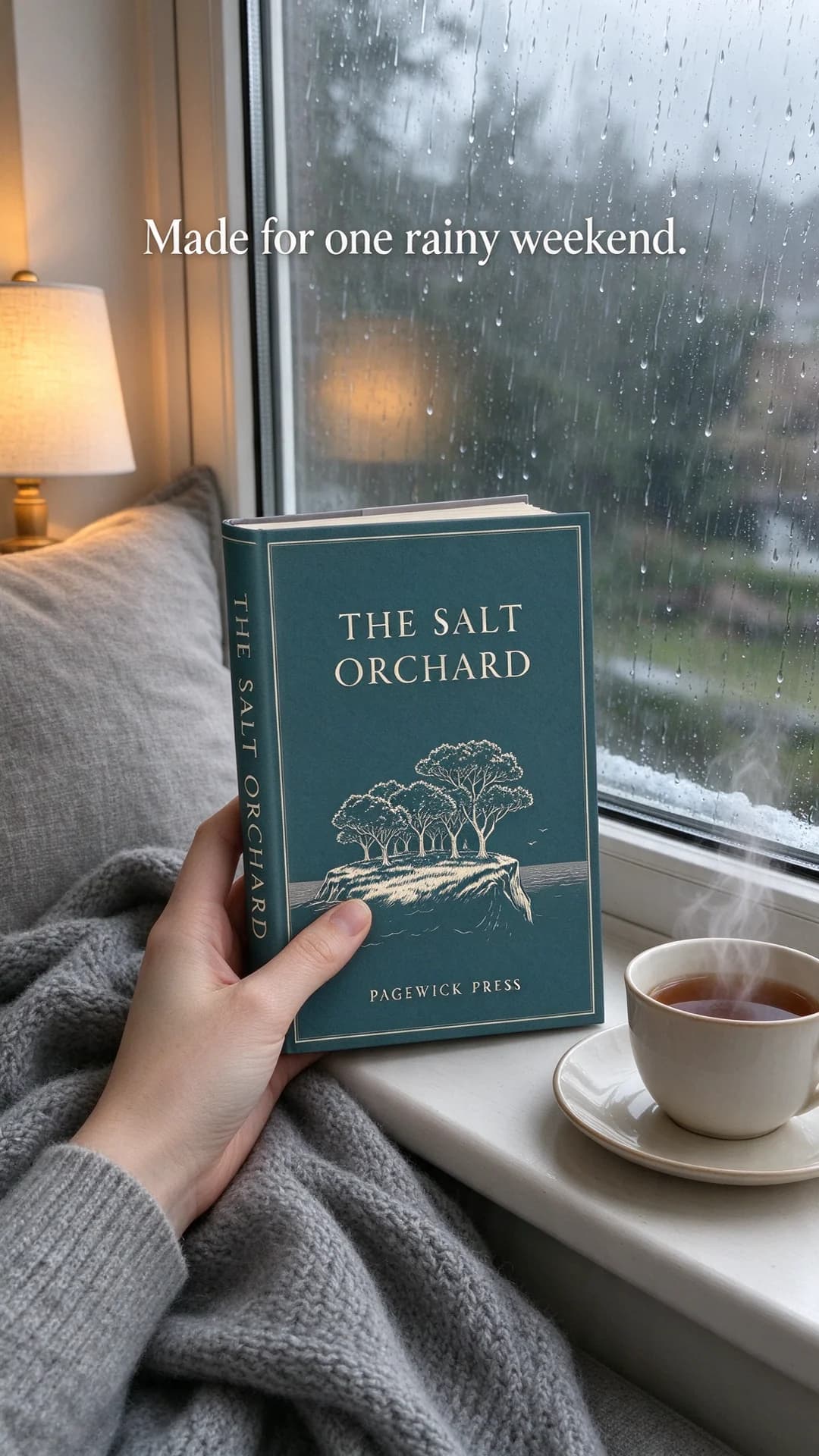
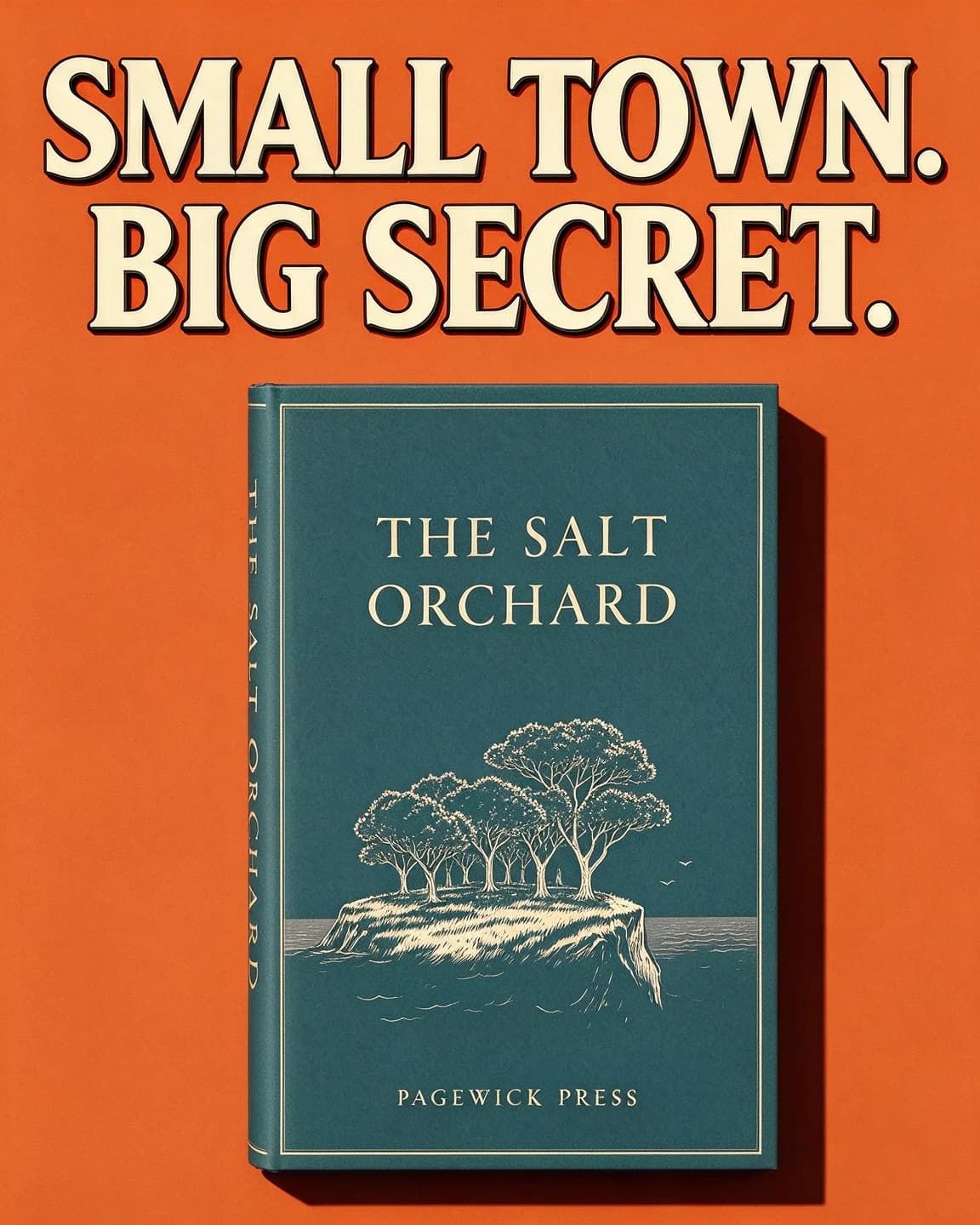
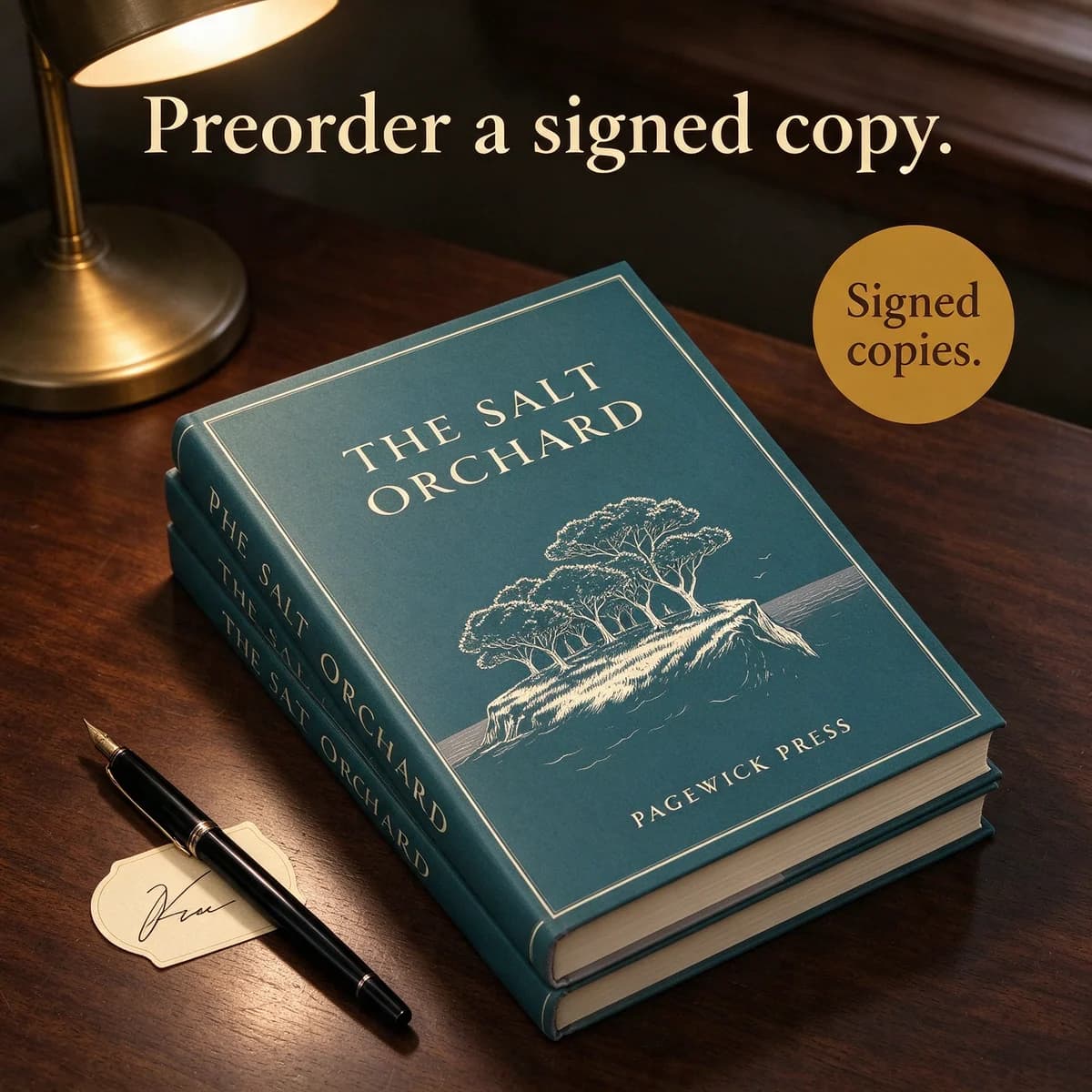
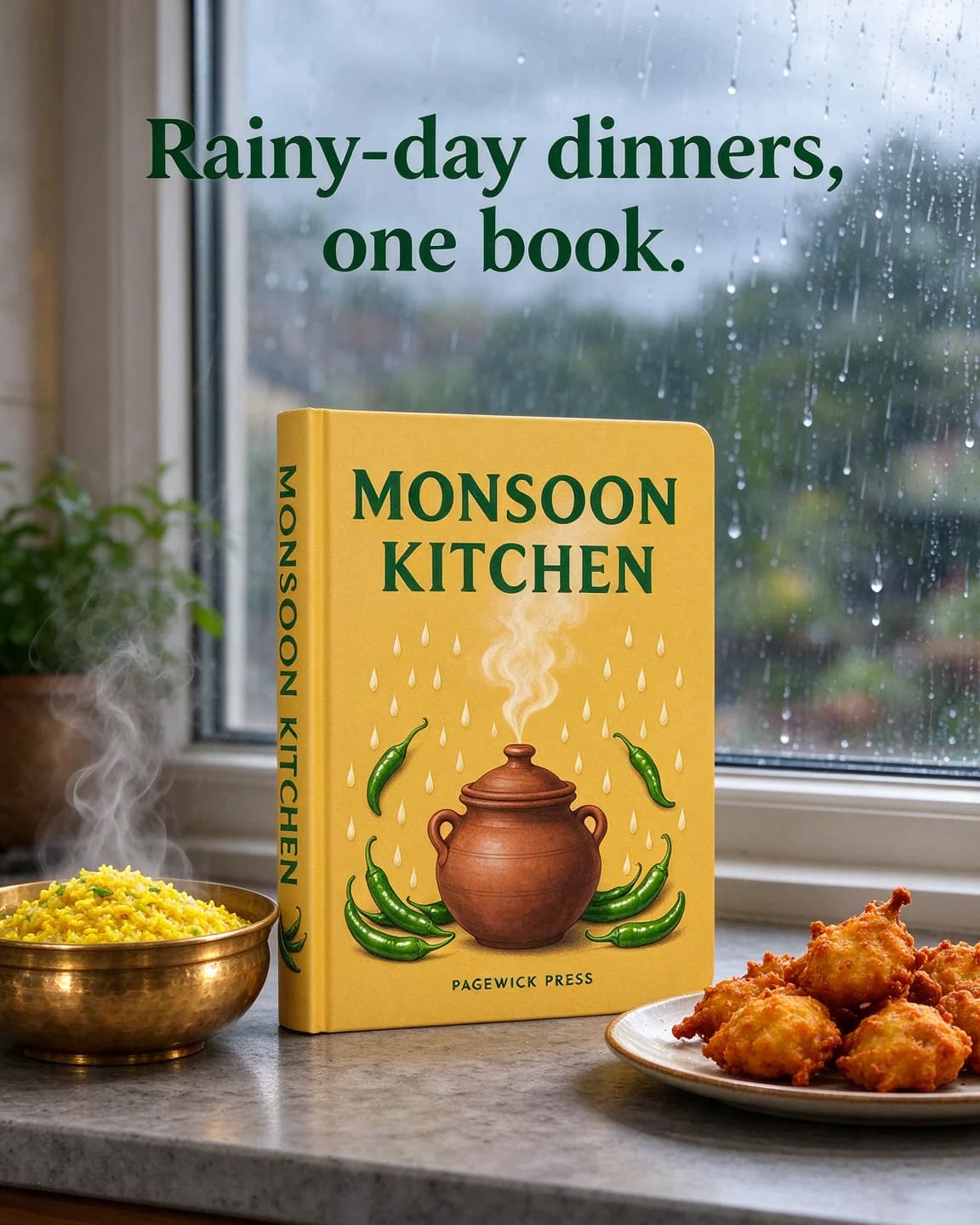
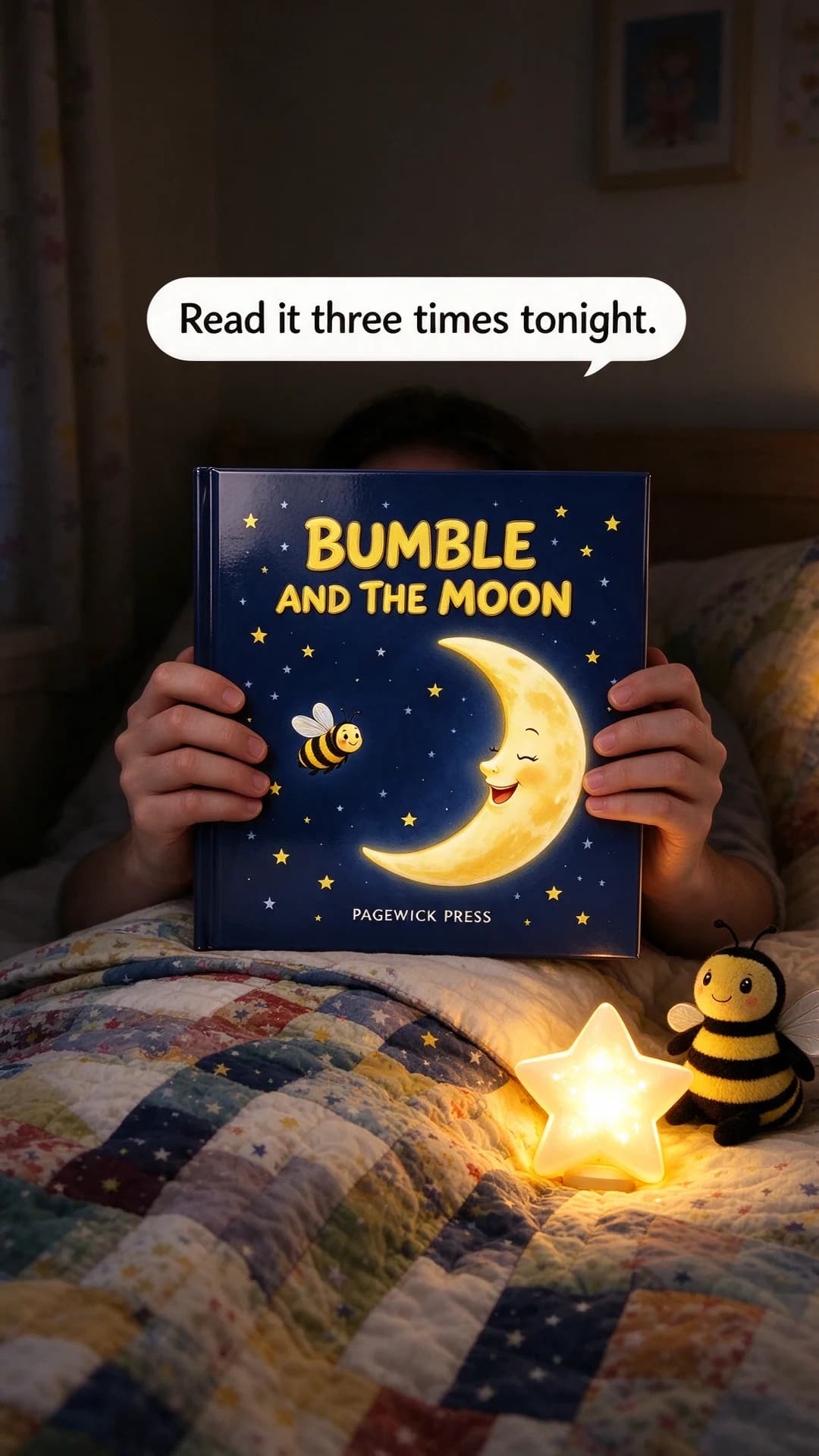
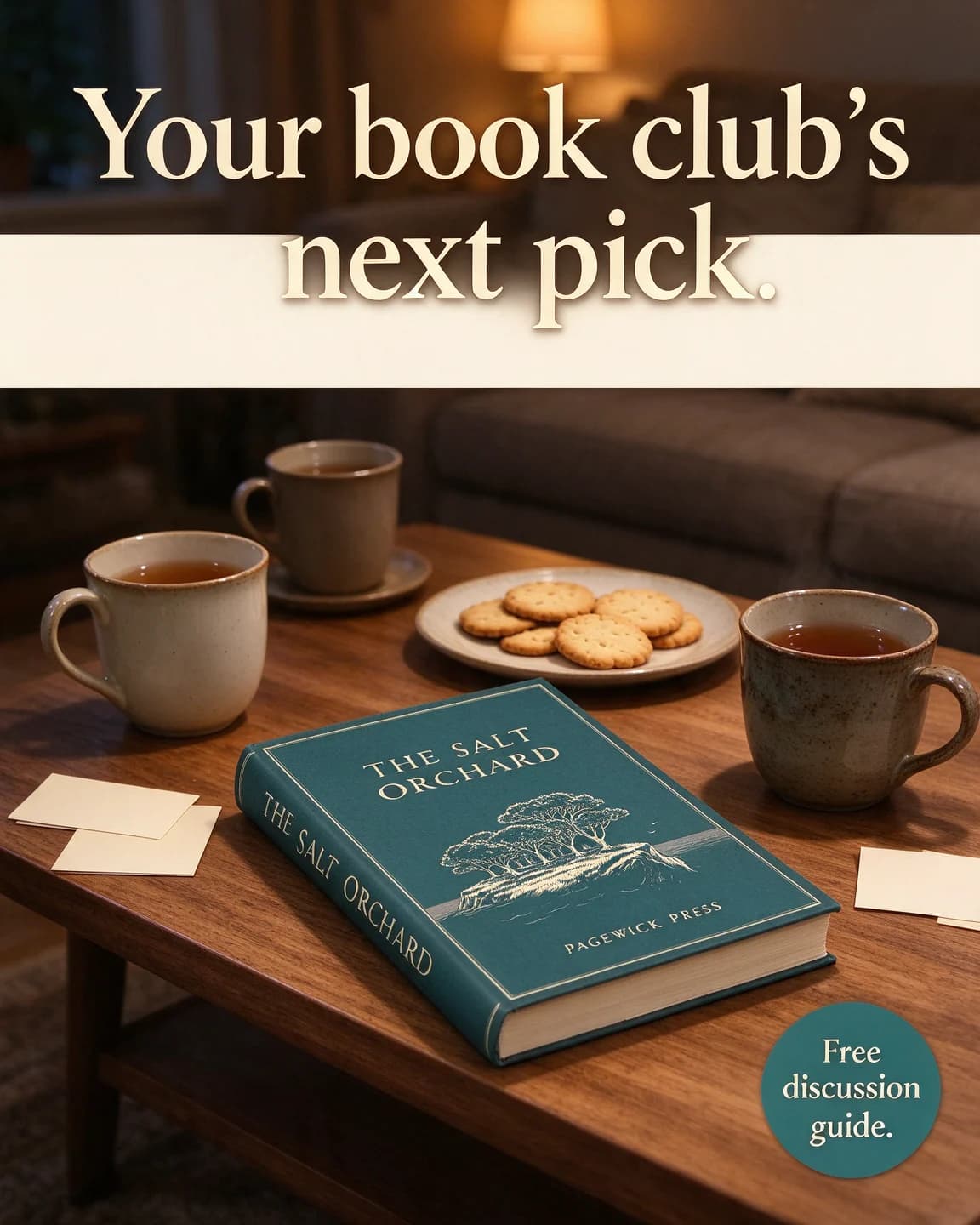
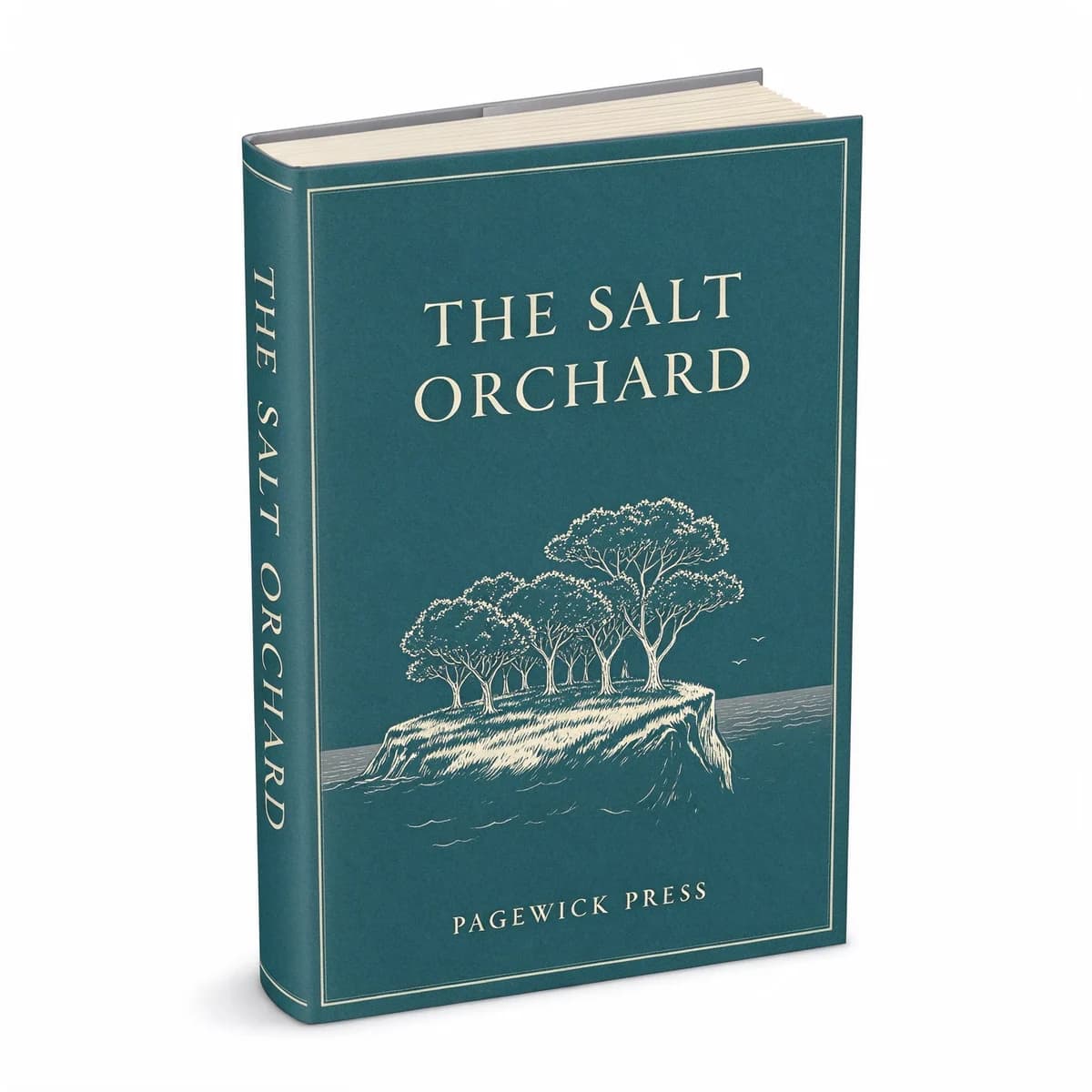
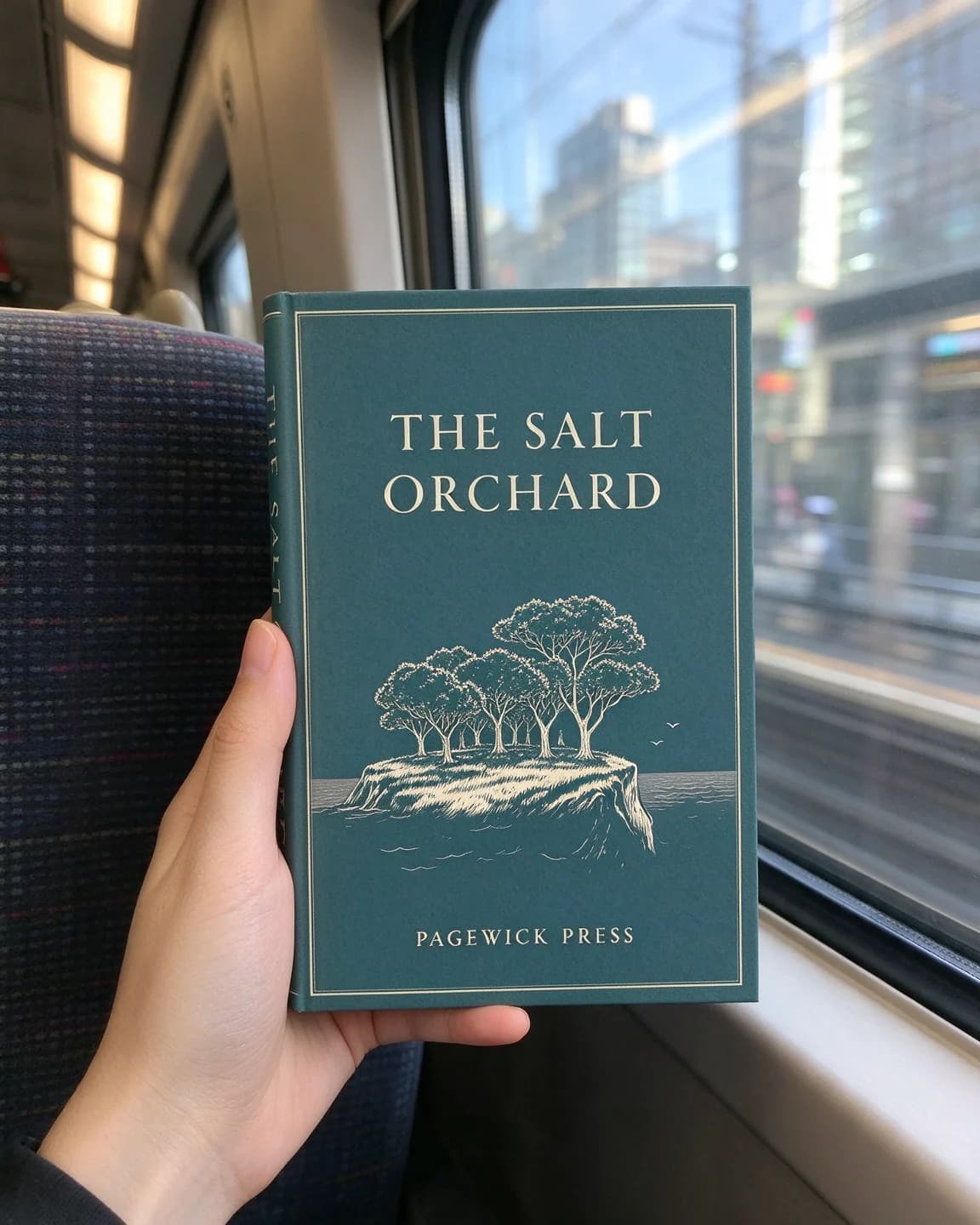
Look at the eight ads above. Five are for the same novel, The Salt Orchard, and not one of them explains the story. One quotes the first sentence, one names the genre in four words, one sells a rainy weekend, one offers a signed copy and one talks to book clubs. Each speaks to a different reader: the person who falls for sentences, the trope shopper, the comfort reader, the existing fan and the club organiser. That spread is deliberate. One cover in one layout tells you whether people liked that ad. Five angles tell you why people buy the book, which is what you need for the next title too. Our guide to creative diversity and Andromeda explains why genuinely different concepts give Meta more to work with than near-copies.
Which shots suit which kind of book
A novel, a cookbook and a picture book are bought for different reasons, so they need different pictures.
| Book type | What to show | Hooks that tend to fit |
|---|---|---|
| Fiction | The cover in a scene that matches its tone: a jetty, a rainy window, a train seat | The opening line, the trope, "made for one weekend" |
| Cookbooks and how-to | The finished dish or project beside the closed cover | The occasion ("rainy-day dinners") or the result |
| Picture books | Lamp light, a quilt, a soft toy, the cover held by an adult's hands | The ritual ("read it three times tonight") |
| Signed and special editions | The bookplate, the sprayed edges, the stack on a desk | The perk and its deadline |
| Ebooks and audiobooks | The cover on a phone or e-reader screen, or beside a pair of earbuds | The format, named in the headline ("Now on audio") |
Ebooks and audiobooks need one extra rule: say the format on the image. A paperback in a scene tells people a parcel is coming, so if you only sell the digital edition, show the cover on a screen and keep the printed book out of the ad.
For printed books, two shots work for almost every title. The first is the angled cover shot, with the book standing at a slight turn so the spine and the thickness show. That's what tells someone it's a physical book worth holding, not an ebook. The second is the book in a hand, which gives scale and makes the scene feel lived in. Save flat, front-on cover art for cover reveals and Stories, where it reads as news. The glossary entries on the hero image and the lifestyle shot explain the difference.
Props should come from the book. A lighthouse suits a coastal mystery and a clay pot suits a monsoon cookbook. A dagger on a cosy mystery promises a different book, and readers who buy on that promise leave the reviews.
What to test first for a new title
Start with five angles and make two or three versions of each:
- Opening line. The first sentence, set large, on a scene in the book's tone.
- Trope. Three or four words that put the book on the right shelf.
- Reading moment. A setting your reader would like to be in this weekend.
- Real proof. A genuine review line or a real list placement, if you have one. Skip this angle if you don't.
- Offer or perk. A signed bookplate, a discussion guide or a bundle, mainly for people who already know the author.
That gives 10 to 15 ads for one book. Our guide on how many ad creatives to test helps you size the batch, and concept vs iteration testing explains why those five angles come before colour and font swaps.
Books are low-priced, so the offer should grow the order rather than shrink every sale. A worked example: if each title sells for $4.10, a 3-for-2 bundle asks $8.25 for books worth $12. The reader sees a whole free book, and the list price of each title stays where it was. A flat 10% off the same three books saves the reader only about $1.25, so it costs you less but sounds much smaller. Pick the offer your margin allows, then make the ad show what the reader gets rather than a percentage.
Judge every ad on orders, not on saves. Book ads collect plenty of saves from people who plan to read the book one day.
Covers, text and the AI traps
AI image models are good at mood and weak at small print. That matters more for books than for almost any other product, because a book is covered in words. Three habits keep book ads honest:
- Keep the cover text exact. Title, author and series name must match the printed cover. Look at the ad at thumbnail size too. If the title can't be read on a phone, the cover shot isn't doing its job.
- Don't fake the inside. AI-drawn page text is nonsense. Show the book closed, or open with illustrations only or soft-focus pages. If you want readers to see real pages, use a real photo of a real spread.
- Match the edition. Show the format people will receive, and update the ads when a cover changes between printings.
Making book ads from one cover photo in BulkAds
BulkAds builds ads around your real product photo instead of redrawing it, which is exactly what a book needs. Upload one sharp photo of the book standing at an angle on a plain background, or let BulkAds pick up your product photos from your website when it builds your brand kit. Add the proof points you can stand behind, such as a real award or a real review, so the copy only uses true things.
Then make a batch of up to 12 ads in 1:1, 4:5 or 9:16. Every ad takes its own angle, so one batch for a novel can hold an opening-line ad, a trope ad, a reading-moment ad and a preorder ad at the same time. Before you see them, the pre-flight check compares each ad with your photo and checks the on-image text for spelling, which is there to catch the classic book problem of a title with one letter out of place. Read the cover in every ad yourself as well. If only the headline is off, regenerate that part instead of paying for a whole new ad. Each image ad uses 2 credits.
If you publish in more than one language, the copy can be written in 95+ languages, so a Hindi or Bengali edition gets ads written for its own readers rather than translated afterwards. When the batch looks right, the bulk ad launcher puts every ad into your own Meta ad account, paused until you approve them, and their results sync back into BulkAds. If you'd rather hand the test over, Autopilot launches its own tests from your approved ads, stops the ones that don't sell and asks you before scaling the ones that do.
Turning a winning book ad into the next batch
When an angle sells, keep it and change one thing at a time:
- Same angle, next title. If the opening-line ad sells the mystery, try the sequel's first line in the same layout.
- Same line, new scene. Move the winning sentence from the jetty to a train window or a beach towel.
- Same idea, new format. Turn the winning still into a short video ad with rain running down the glass or steam rising from the tea.
- Same book, new buyer. A trope ad that sells to mystery fans can be turned for gift buyers with "for the dad who reads on holiday".
The guide to iterating on a winning ad covers how far to push each change before it stops being the same idea.
Questions people ask
What should a book ad show?
The cover, readable at phone size, plus one idea a reader can feel at once: the first line, the trope, a reading moment or a gift. Keep any plot summary for the primary text, and keep it short.
Can I put a line from my book in an ad?
Yes, if you hold the rights to the text, which the author or the publisher normally does, depending on the contract. A short, strange opening line often makes a stronger hook than a review. Quoting another writer's book is a different matter, so stick to your own text.
Do book ads need video?
Not to start. Stills are quicker for finding the angle that sells. Once one works, a short vertical clip with gentle motion, such as rain on a window or steam from a cup, suits Reels and Stories.
How do I advertise a romance novel with a steamy cover?
Make an ad version of the cover, or lead with an object, a setting or an illustrated cover. As of October 2026, Meta's Advertising Standards don't allow nudity in ads and keep sexually suggestive imagery to adults, so a cover that breaks those rules can be rejected however well it sells in shops.
Can I advertise an ebook or audiobook the same way?
Yes, with the format made obvious. Show the cover on a phone or e-reader screen, or with earbuds for audio, and name the format in the headline. A printed book in the ad promises a parcel, which is a complaint waiting to happen if you only sell the download.
Are Pagewick Press and its books real?
No. Pagewick Press, The Salt Orchard, Monsoon Kitchen and Bumble and the Moon are fictional, and every ad on this page was made with AI for illustration.
Keep going
- Features
Product photo ads
Your real packshot, in every scene
- Guides
Concept vs iteration testing: find the idea, then refine it
Concept tests find the idea that sells, iteration tests sharpen it. How to tell them apart, run each one, read the results and decide next week's mix.
- Guides
Iterating on a winning ad: what to change first, and what to keep
Keep the idea that won and change the layers around it. How to find why an ad won, the order to change things in, eight worked iterations and how to launch them safely.
- Ad templates
Social post ad template
Word of mouth, captured as an ad: a name, a few casual lines, a photo
- Ad templates
UGC ad template
A phone-camera moment and one honest, first-person line
- Ad examples
Stationery ad examples
Notebook, pen and pouch ads that show the paper test, not just the cover
Every brand on this page is fictional and every ad was made with AI for illustration — they’re examples, not case studies.
BulkAds AI is an independent product and is not affiliated with, endorsed or sponsored by Meta Platforms, Inc. Facebook and Instagram are trademarks of Meta Platforms, Inc.